

Both polyurethane and silicone are elastomeric roof coatings that are designed to stretch and contract with the movement of the roof, but there are some differences that would make one preferable to your roof over the other. Look at some of the similarities and differences between these two roof coatings in Denver and see what works best for you.
Commonalities Between Polyurethane And Silicone Coatings
Application
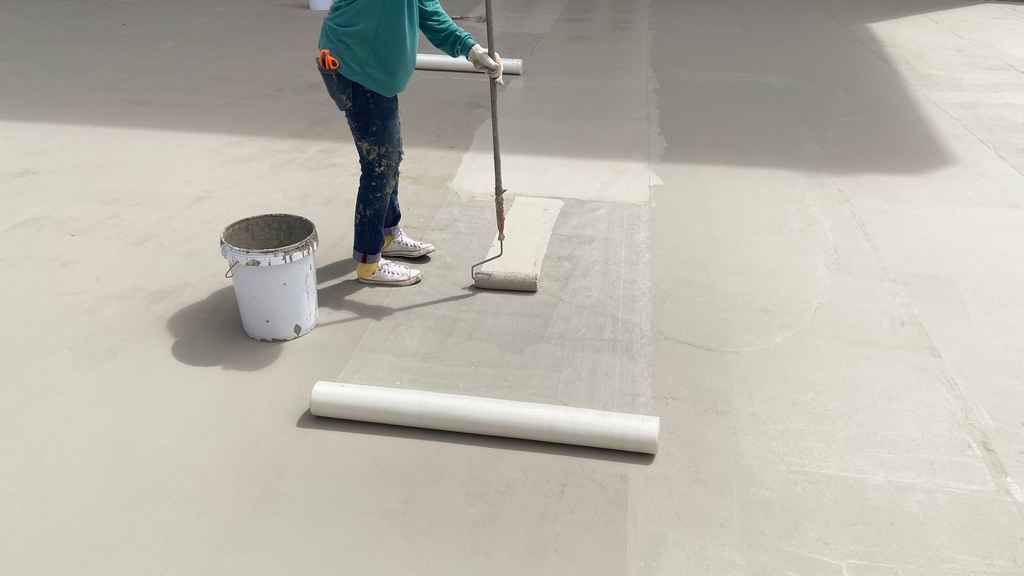
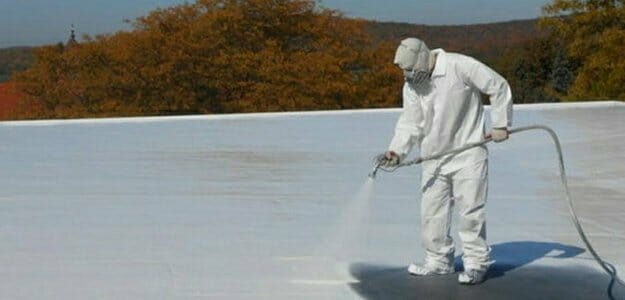
Both types of roof coatings can be applied via roller or spray application. As they are coatings, both will allow you to rehabilitate an existing roof by coating over the top as opposed to having to remove the existing roof, which will save time, money, and prevent additional material from going to landfill, reducing the environmental impact.
Cool Roofs
Both polyurethane and silicone coatings are highly reflective coatings that reduce a building’s cooling demand in the hotter summer months, thereby reducing strain on the electrical grid and decreasing the frequency of brownouts and blackouts. The greater the number of buildings with these “cool roofs” in an area, the greater the reduction in outdoor air temperature of that area as these roofs reflect the sun’s rays into the atmosphere, which slows the production of ground-level ozone, otherwise known as smog.
Ponding Water
When it comes to low-slope or flat roofs both polyurethanes and silicones are excellent from a waterproofing perspective. Often there are areas that are not sloped properly to the drains which can lead to ponding water on the roof. Both polyurethanes and silicones are great with ponding water, which won’t have an effect on them, vs. acrylic coatings which are water-based and will wear down with exposure to ponding water leading to roofing failures.
Silicone Coatings
Silicone coatings are highly elastic materials that provide excellent adhesion to the existing surface. Silicone coatings have gained market share in the commercial roof market in the last decade. Silicone coatings also provide excellent ultraviolet protection in extreme temperatures and harsh environments and can resist oxidation. Silicone is available in a variety of colors and provides high reflectivity and emissivity ratings.
With silicone coatings, nothing likes to bond to silicone, not even silicone. This causes issues both from a roof replacement and a repair perspective. When the roof is at the end of its life, instead of reapplying a new topcoat, you will likely need to remove the silicone membrane before you can install the new roofing system.
Another issue with silicone coatings is that they are known to be dirt magnets, attracting dirt and other airborne particles. This can cause a gradual build-up on the roof that can make the coating system more susceptible to heat from the sun, and thus less reflective, which negatively impacts the advantages you would have with a “cool roof”. To get around this, the roof would need to be pressure-washed every six months or so.
Polyurethane Coatings
Polyurethane coatings are used as coating applications over a variety of existing roof membranes. Polyurethane coatings provide the best rates of all coatings for impact resistance and for foot traffic. There are two types of polyurethane roof coatings: aromatic and aliphatic. These types of materials are typically used in combination with a base coat and topcoat. The base coat material is durable but does not offer high UV resistance.
Polyurethanes typically have a higher solids content than silicone roof coatings. Polyurethane is a much stronger coating and will not puncture easily if a tool is dropped or outdoor furniture is dragged across its surface. The same cannot be said of silicones, which can puncture easily.
Polyurethane roofs that hit that 15 to 20-year mark have their lifespan extended by another 15 to 20 years by the reapplication of a polyurethane top coat over the existing roof. Essentially, you would solvent wipe the previous polyurethane roof topcoat and then roller- or spray-apply the new polyurethane topcoat over the top. It also allows for easy roof repairs if needed.
Comparing Silicone and Acrylic Commercial Roof Coatings
Silicone and acrylic systems are two of the most commonly used coating solutions for commercial roofs, especially across Colorado’s Front Range. While both offer strong performance benefits, they behave very differently in real-world conditions. Understanding these differences can help commercial property owners, contractors, and facility managers make the best long-term choice for their building.
Below is a breakdown of how silicone and acrylic systems compare in terms of performance, durability, cost, and long-term maintenance.
Commonalities Between Silicone and Acrylic Coatings
Application Methods
Both silicone and acrylic coatings can be applied using rollers or spray equipment, depending on project scope and roof conditions. In either case, these systems are installed over the existing roof, reducing labor time, minimizing disruption to the building, and avoiding the waste associated with a full tear-off.
Energy Performance / Cool Roof Benefits
Silicone and acrylic coatings both provide highly reflective “cool roof” surfaces. They reflect a significant portion of the sun’s heat, which can:
- Reduce rooftop temperatures
- Lower cooling demand inside the building
- Ease strain on HVAC equipment
- Help reduce urban heat island effects
As more commercial buildings adopt reflective roof systems, surrounding outdoor temperatures can decrease, helping improve air quality and reduce smog production.
Silicone Roof Coatings
Silicone has become a leading choice for commercial roofs because of its flexibility, UV stability, and ability to hold up under extreme conditions.
Key Advantages of Silicone
- Highly elastic material that adapts well to Colorado’s temperature swings
- Strong adhesion to many roof substrates
- Exceptional UV protection, even at high altitudes
- Resists oxidation and weather degradation
- Available in multiple colors with high reflectivity ratings
Considerations
- Limited recoat flexibility: New layers do not bond easily to cured silicone, making future system upgrades more complex.
- More challenging repairs: Most repair materials do not adhere to silicone without extensive preparation.
- Dirt retention: Silicone surfaces tend to attract airborne dust and particulates, gradually reducing their reflectivity unless cleaned regularly.
- More frequent washing required: Many silicone systems benefit from semiannual cleaning to maintain energy performance.
Acrylic Roof Coatings
Acrylic coatings are widely used on commercial buildings because of their ease of application, strong reflectivity, and cost-effectiveness. They’re especially popular for metal roofs and buildings seeking improved energy efficiency.
Key Advantages of Acrylic
- Excellent reflectivity, helping reduce cooling costs
- Highly adaptable for metal roof systems due to expansion/contraction characteristics
- UV-resistant, making them ideal for Colorado’s high-altitude exposure
- Typically more cost-effective than silicone
- Good color retention over time
Considerations
- Less resistant to long-term ponding exposure: While they perform extremely well in Colorado’s dry climate, acrylics are not ideal for roofs with persistent low spots or areas of standing water after storms.
- Application sensitivity: Ideal weather conditions are required for curing, which may impact scheduling during colder seasons.
- More impacted by freezing temperatures during installation: Work windows must be chosen carefully.
Roof Coatings for Commercial Buildings that Deliver Energy Efficiency
If you are looking for the best roof coatings in Denver, look no further than Denver Roof Coatings. Our team of experts can help you find the perfect coating for your roof, whether it is a new build or a re-roof. Contact us today to learn more about our products and see how we can help you protect your roof.
Conclusion
If you are looking for the best roof coatings in Denver, look no further than Denver Roof Coatings. Our team of experts can help you find the perfect coating for your roof, whether it is a new build or a re-roof. Contact us today to learn more about our products and see how we can help you protect your roof.
