

Metal roofs are known for their durability, longevity, and energy efficiency. However, over time, even the strongest metal roofs can experience wear and tear due to harsh weather, UV exposure, and temperature fluctuations. Applying a protective metal roof coating is one of the best ways to extend the lifespan of a metal roof, prevent corrosion, and improve energy efficiency. But with several coating options available, how do you determine the best one for your roof?
In this guide, we’ll explore the different types of metal roof coatings, their benefits, and which one may be the best choice for your specific needs.
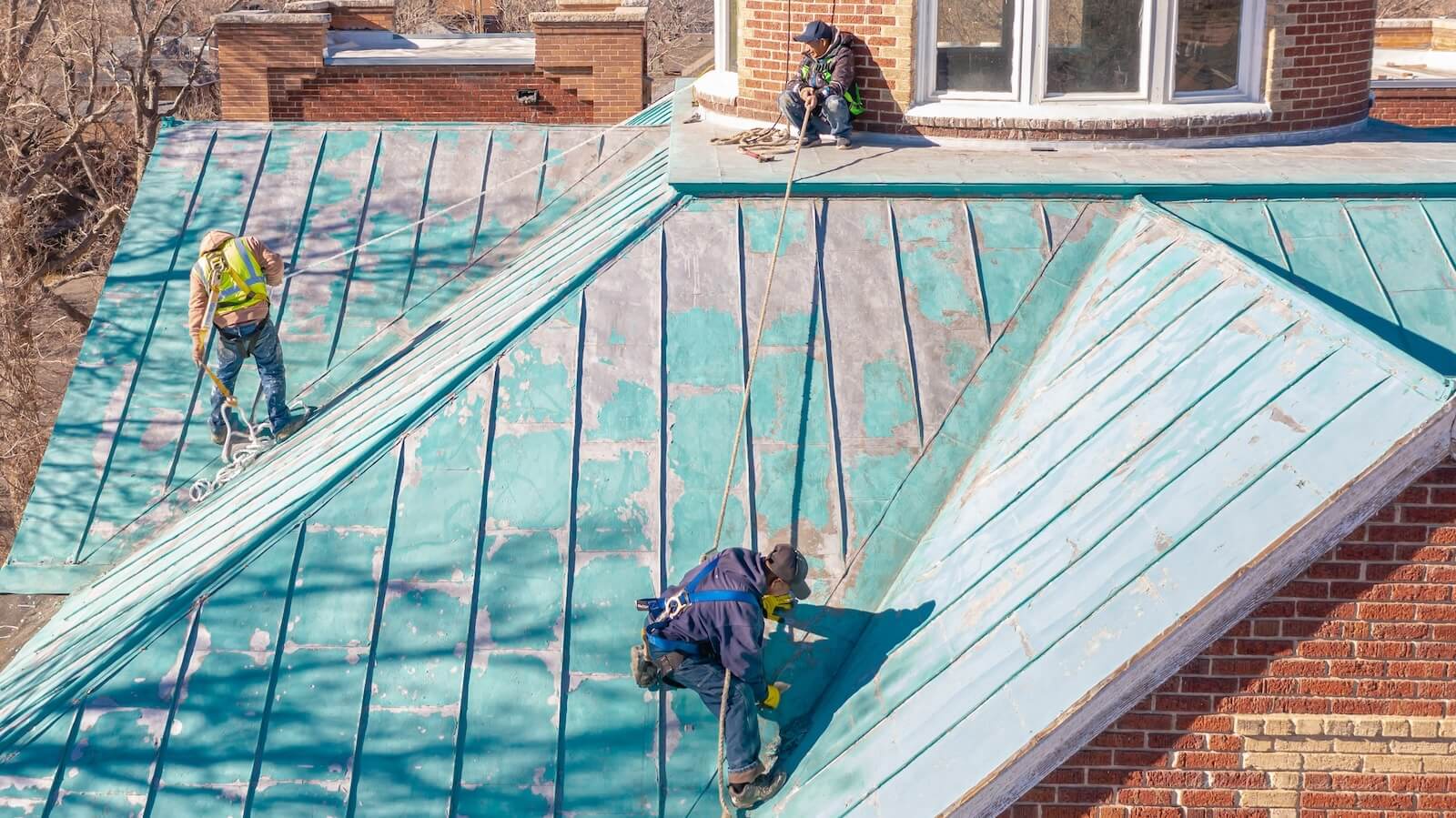
Why Coat a Metal Roof?
Before diving into specific coatings, it’s important to understand why metal roofs benefit from coatings in the first place.
- Prevents Rust and Corrosion – Metal is prone to rust when exposed to moisture and oxygen. A protective coating seals the roof, preventing rust and corrosion from compromising its structural integrity.
- Extends Roof Life – Coatings can add years — even decades — to a metal roof’s lifespan, reducing the need for costly replacements.
- Improves Energy Efficiency – Reflective coatings help reduce heat absorption, keeping buildings cooler and lowering energy costs.
- Minimizes Maintenance Costs – Coatings provide an additional layer of protection, reducing the frequency and cost of repairs.
- Enhances Waterproofing – Some coatings are highly resistant to water penetration, making them ideal for areas prone to heavy rain or ponding water.
Types of Metal Roof Coatings
There are several different coatings available, each offering unique benefits. The best choice depends on factors such as climate, roof condition, and desired performance.
1. Silicone Roof Coatings
Best for: Extreme weather protection, ponding water resistance
Silicone coatings are among the most popular choices for metal roofs due to their durability and water-resistant properties. This type of coating forms a seamless, flexible membrane that can withstand extreme temperatures and UV exposure.
Advantages:
- Highly resistant to UV rays, preventing degradation over time
- Excellent waterproofing capabilities, making it ideal for areas with heavy rainfall
- Maintains flexibility, allowing it to expand and contract with temperature changes
- Long lifespan with minimal maintenance requirements
Disadvantages:
- Can be more expensive than other coating options
- Attracts dirt and may require periodic cleaning to maintain reflectivity
2. Acrylic (Elastomeric) Roof Coatings
Best for: Reflectivity and energy efficiency
Acrylic coatings, often referred to as elastomeric coatings, are water-based solutions that provide a reflective, UV-resistant barrier for metal roofs. These coatings help regulate roof temperature, reducing heat absorption and cooling costs.
Advantages:
- High solar reflectivity, reducing cooling costs, and improving energy efficiency
- Cost-effective compared to silicone or polyurethane coatings
- Easy to apply and maintain
- Environmentally friendly, with low VOC (volatile organic compound) content
Disadvantages:
- Less resistant to ponding water, making it unsuitable for flat roofs
- May require multiple coats for optimal performance
- Can wear down faster in harsh weather conditions
3. Polyurea Roof Coatings
Best for: High-impact and chemical resistance
Polyurea coatings are known for their superior strength and resistance to physical damage. They are often used in industrial and commercial applications where a roof is exposed to chemicals, heavy foot traffic, or extreme weather.
Advantages:
- Exceptional durability and resistance to abrasions, impacts, and chemicals
- Fast curing time, allowing for quicker application and project completion
- Can be applied in varying temperatures and weather conditions
- Excellent adhesion to metal surfaces
Disadvantages:
- Requires specialized equipment and professional application
- More expensive than acrylic and silicone coatings
- Limited flexibility compared to silicone
4. Urethane (Polyurethane) Roof Coatings
Best for: High-traffic areas and impact resistance
Urethane coatings provide strong adhesion and flexibility, making them a great choice for metal roofs that experience frequent foot traffic or physical impact.
Advantages:
- Excellent resistance to impact and foot traffic
- High flexibility, preventing cracks or splits in fluctuating temperatures
- Good waterproofing capabilities
- Adheres well to a variety of surfaces, including metal
Disadvantages:
- More expensive than acrylic coatings
- Requires precise application to ensure durability
- Can release stronger odors due to chemical composition
Substrate Considerations: Why Your Existing Roof Matters
One of the most important factors when deciding between a coating system and full roof replacement is the existing roof substrate. In other words, the material and condition of what’s already in place.
Different substrates respond differently to coatings, and understanding this can help determine whether a coating system is a viable long-term solution.
Common Commercial Roof Coating Substrates
Most commercial buildings in Denver fall into one of the following categories:
- Metal Roofs – Often ideal candidates for coatings when structurally sound. Coatings can help prevent corrosion, improve energy performance, and extend lifespan significantly.
- Single-Ply Membranes (TPO, EPDM, PVC) – Can often be coated if seams and underlying materials remain intact.
- Modified Bitumen / Built-Up Roofing (BUR) – Frequently compatible with coatings when surface wear is present, but the system hasn’t failed.
- Spray Foam Roofing (SPF) – Requires periodic recoating as part of its lifecycle and is highly compatible with coating systems.
When Substrate Condition Supports Coating Systems
A coating system is typically a strong option when:
- The substrate is structurally sound
- Insulation beneath the surface is dry
- Damage is localized rather than widespread
- The roof still has remaining service life
In these cases, coatings allow building owners to preserve the existing system while improving performance.
When Substrate Issues Point Toward Replacement
Replacement may be necessary if:
- The roof deck is compromised
- Insulation is saturated across large areas
- The existing system has widespread failure
- Previous repairs have not held
In these scenarios, applying a coating over a failing substrate may only delay larger issues rather than solve them.
For commercial property owners, understanding substrate condition is often the deciding factor between extending a roof’s life or starting fresh.
Key Factors to Consider When Choosing Between Coating and Replacement
Beyond cost, several important factors should be evaluated before deciding which path makes the most sense for your commercial building.
1. Current Roof Condition
The overall condition of the roof is the starting point. If the system is still structurally sound, a coating can provide substantial life extension. If not, replacement may be the better long-term investment.
2. Building Use and Operational Needs
For buildings that need to remain fully operational, such as warehouses, manufacturing facilities, and retail centers, minimizing disruption is critical.
Coating systems typically:
- Require less downtime
- Create fewer access restrictions
- Allow business operations to continue
Replacement projects, on the other hand, can introduce more complexity and disruption.
3. Budget and Capital Planning
Coatings offer a lower upfront investment, making them attractive for:
- Property managers overseeing multiple buildings
- Owners managing capital improvement timelines
- Businesses looking to preserve cash flow
Replacement may still be the right move if the building is undergoing a full renovation or long-term repositioning.
4. Long-Term Ownership Goals
Your long-term plans for the property matter.
- Short- to mid-term hold: Coatings can extend roof life efficiently without major capital expense
- Long-term hold: A coating system may be used strategically to delay replacement while maximizing ROI
Many commercial owners use coatings as part of a phased asset management strategy.
5. Drainage and Roof Design
Roof slope and drainage play a major role in system performance.
- Roofs with consistent drainage often perform well with a variety of coating systems
- Roofs with low areas or standing water may require specific coating types or additional preparation
Understanding how water moves across the roof helps determine the best solution.
6. Maintenance Strategy
Coated roofs can often be maintained and refreshed over time, allowing for ongoing life extension without full replacement.
This flexibility gives property owners more control over:
- Future costs
- Maintenance scheduling
- Long-term building performance
7. Energy Costs and Energy Efficiency Goals
If reducing operating costs is a priority, reflective coating systems can help improve energy efficiency by reducing heat absorption.
For large commercial buildings, this can contribute to:
- Lower cooling costs
- More stable indoor environments
- Reduced strain on HVAC systems
Which Metal Roof Coating is Right for You?
Choosing the best coating depends on several factors, including climate, roof condition, and budget. Here’s a quick breakdown of which coating might work best for different scenarios:
- For maximum waterproofing: Silicone coatings are the best choice, especially in areas with frequent rain or ponding water.
- For energy efficiency: Acrylic (elastomeric) coatings offer high reflectivity, reducing heat absorption and lowering cooling costs.
- For industrial settings: Polyurea coatings provide excellent resistance to chemicals and heavy use.
- For roofs with high foot traffic: Urethane coatings are impact-resistant and highly durable.
Application Process: What to Expect
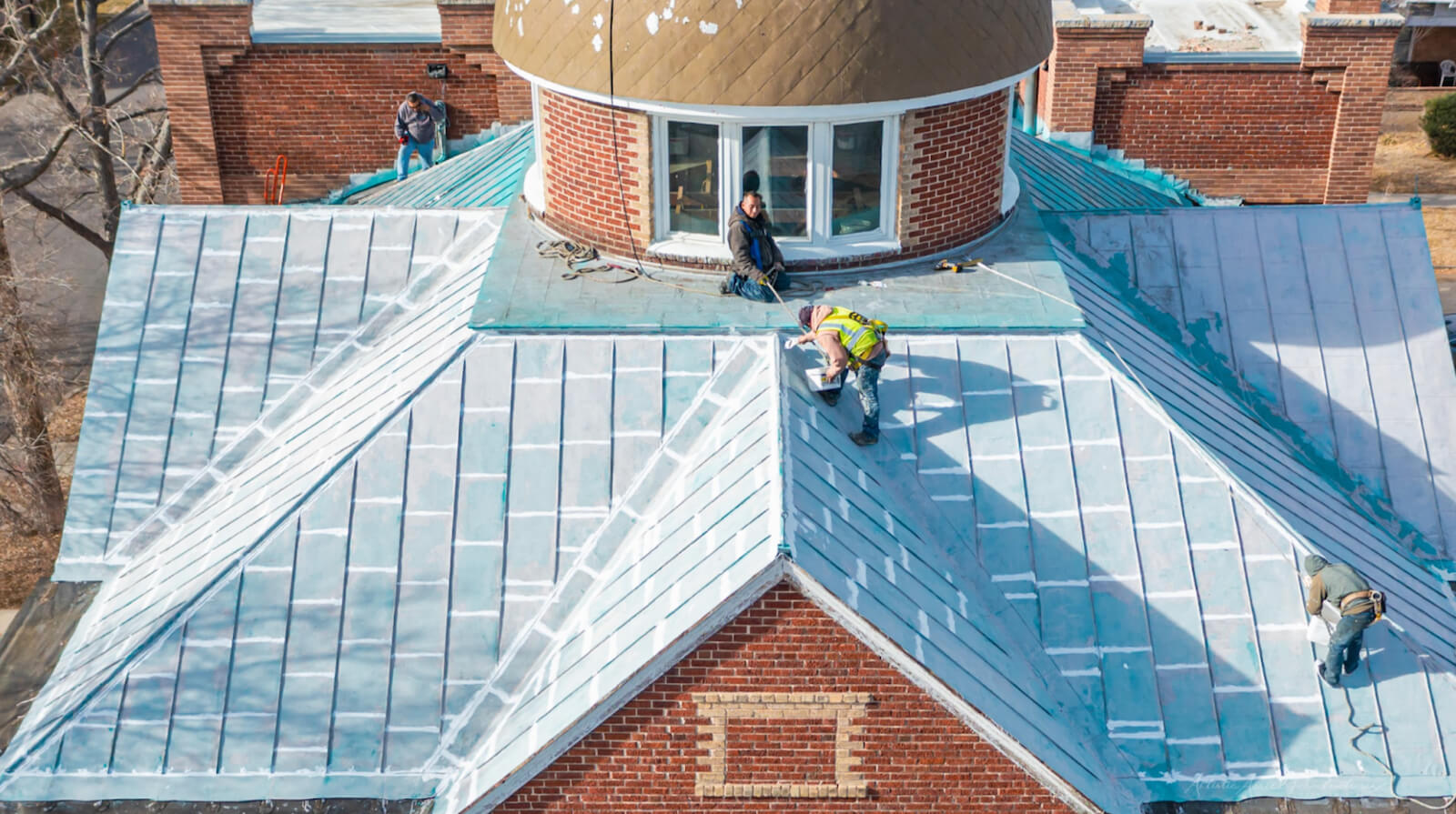
Regardless of which coating you choose, proper application is key to ensuring long-lasting performance. Here’s what a typical roof-coating process looks like:
- Roof Inspection – A professional will assess the roof’s current condition, checking for rust, leaks, and damage.
- Cleaning and Preparation – The roof must be cleaned thoroughly to remove dirt, debris, and oxidation. In some cases, a primer may be needed.
- Repairing Existing Damage – Any rust spots, cracks, or weak points should be repaired before applying the coating.
- Application of Coating – The selected coating is applied using a spray, roller, or brush. Some coatings may require multiple layers for optimal performance.
- Final Inspection and Curing – After application, the coating needs time to cure and adhere properly. A final inspection ensures a seamless, durable finish.
Protect Your Denver Metal Roofing
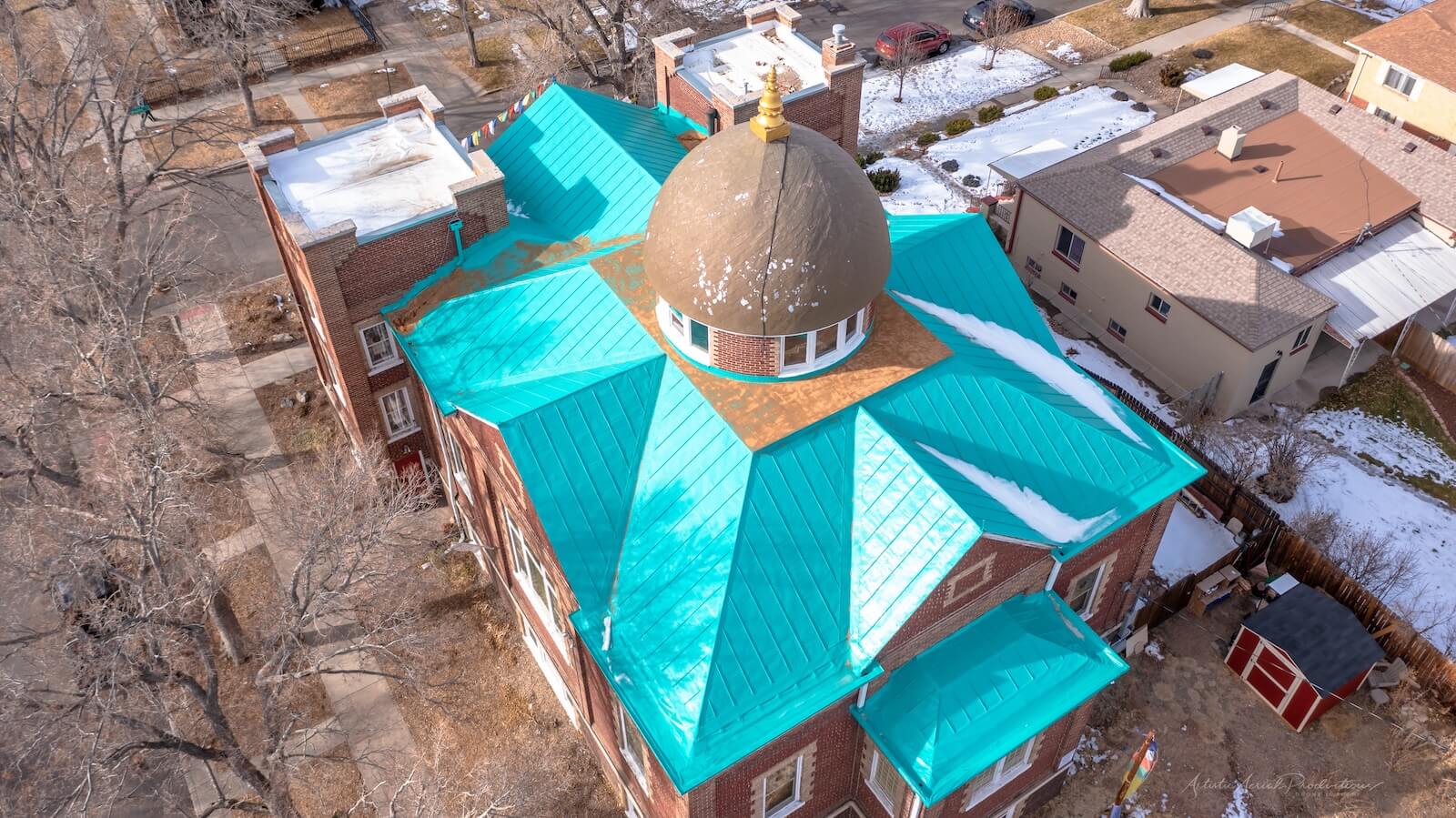
Applying a roof coating is one of the best ways to protect, extend, and improve a metal roof’s performance. Whether you’re looking to improve energy efficiency, prevent leaks, or simply add years to your roof’s life, the right coating can make all the difference.
For Denver-area property owners, professional roof coating services can help ensure the job is done right. If you’re considering a coating for your metal roof, contact us for a free inspection and expert guidance on the best solution for your needs.
